

 CLAE Community



IN HONOR OF EARTH MONTH
We’re highlighting our ongoing commitment to conscious design and environmental responsibility through our partnership with SEAQUAL INITIATIVE. Celebrating its 10th anniversary, SEAQUAL INITIATIVE has grown into a fully integrated ecosystem dedicated to upcycling marine plastic waste into high-quality, circular materials.
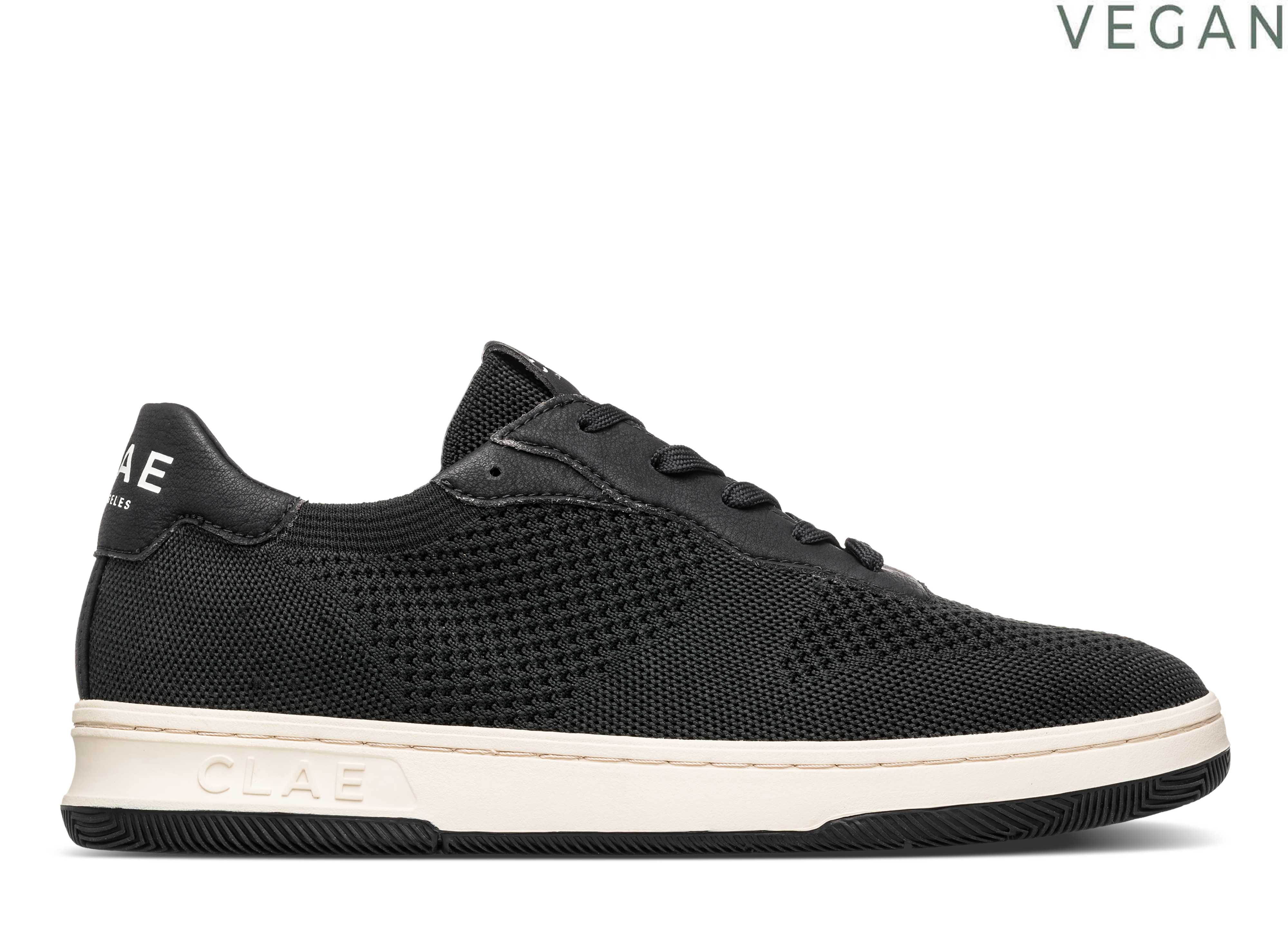
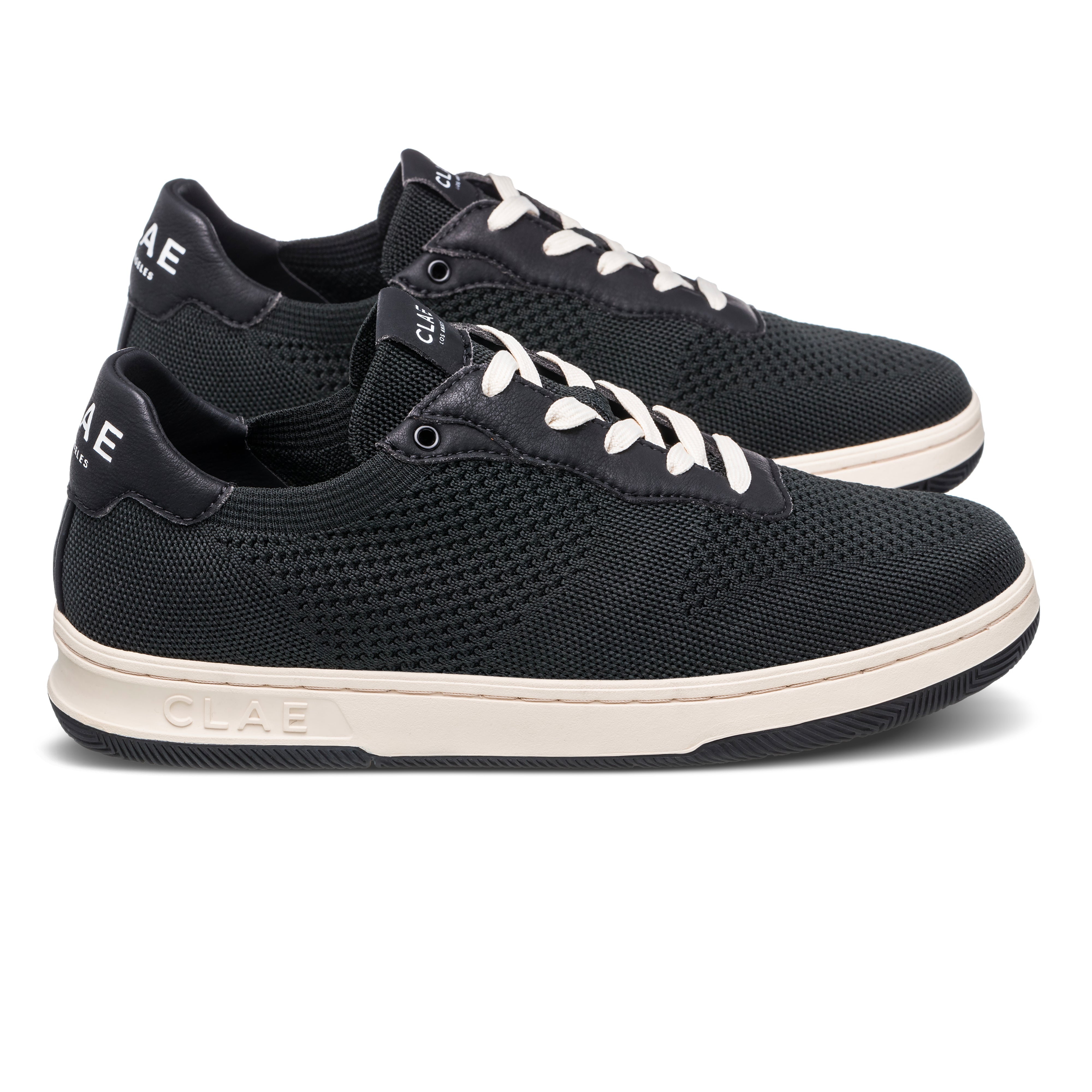
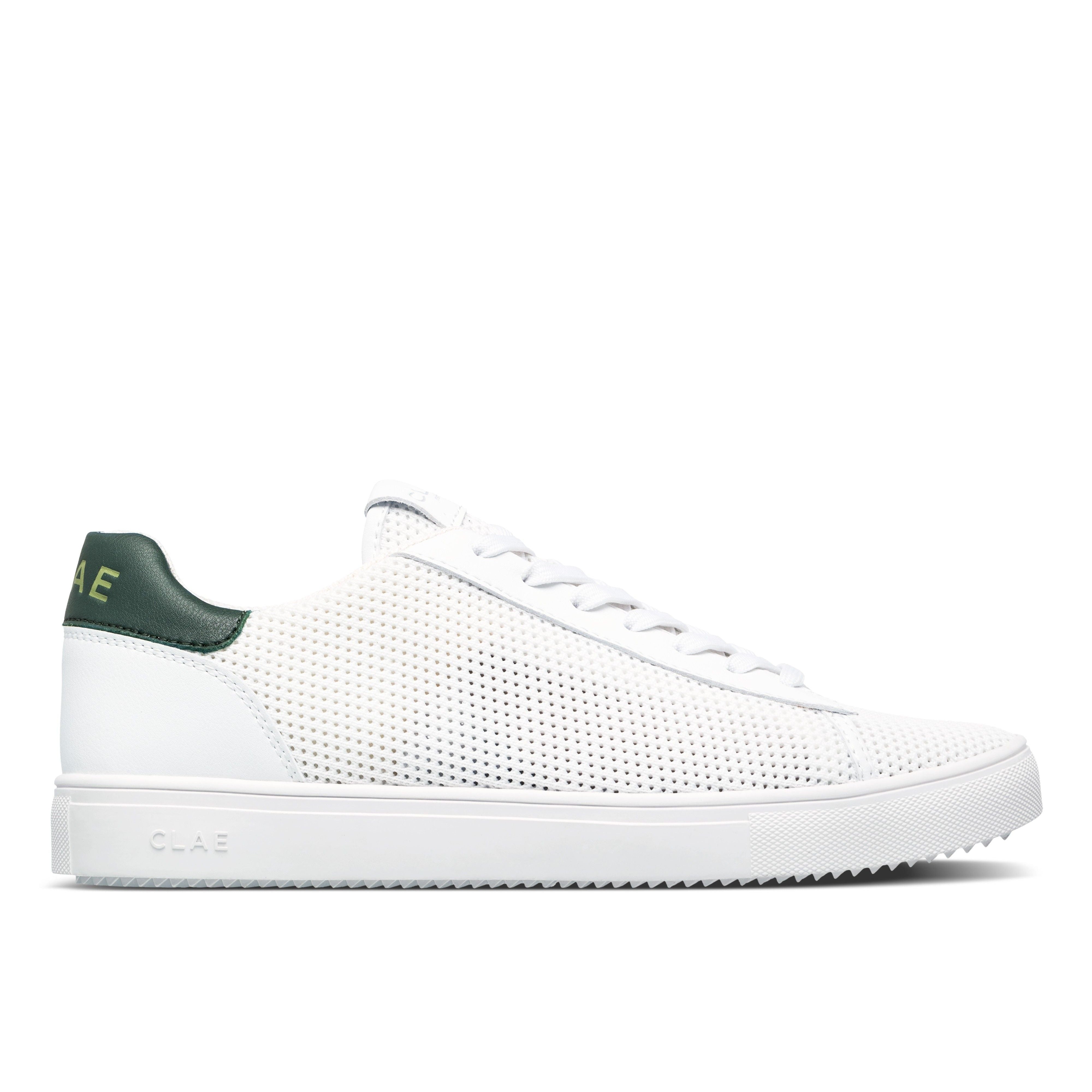
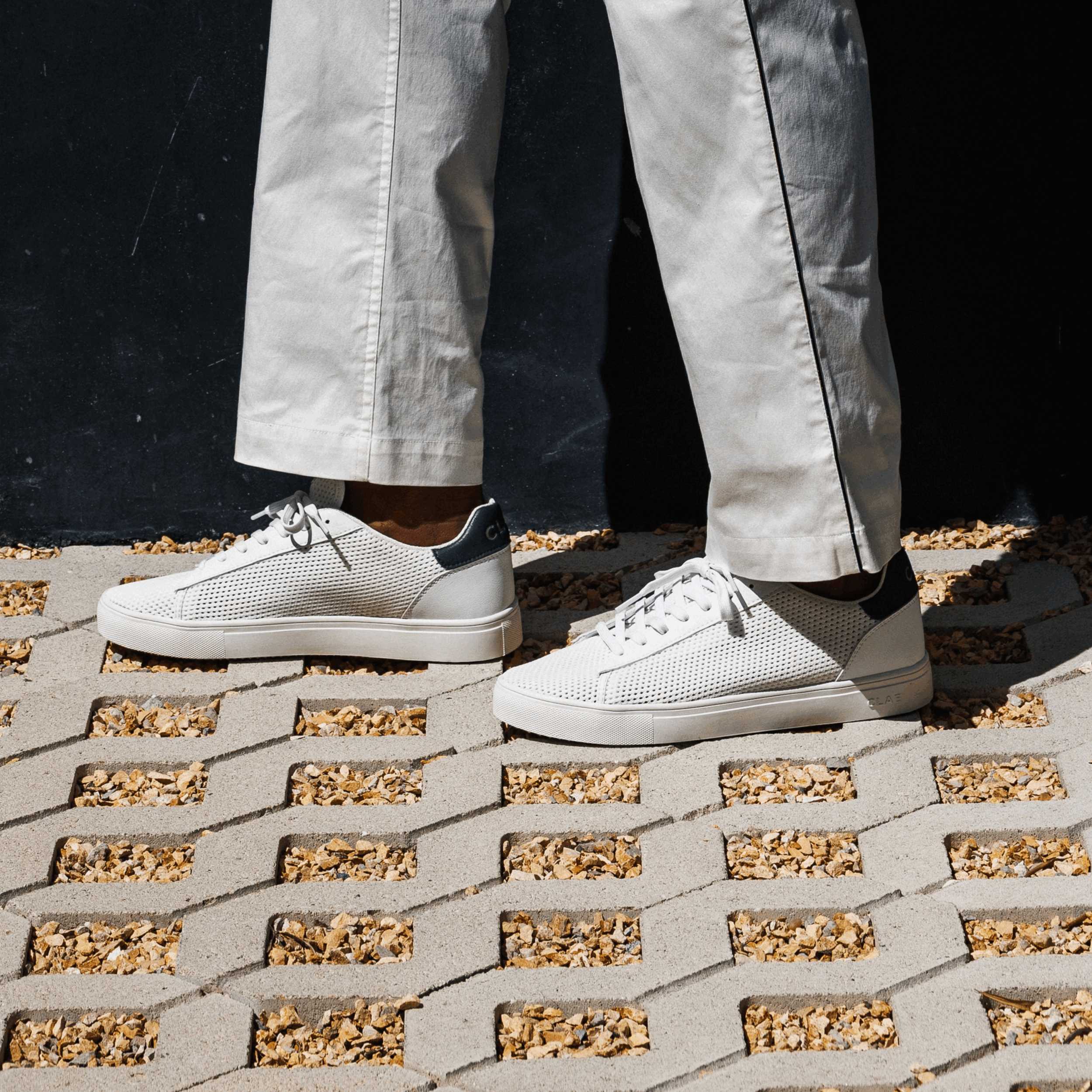
From April 22, 2026, until midnight (PT) on April 30, 2026, 5% of all revenue generated from the sale of our SEAQUAL Knit Collection will be donated to the SEAQUAL Foundation.
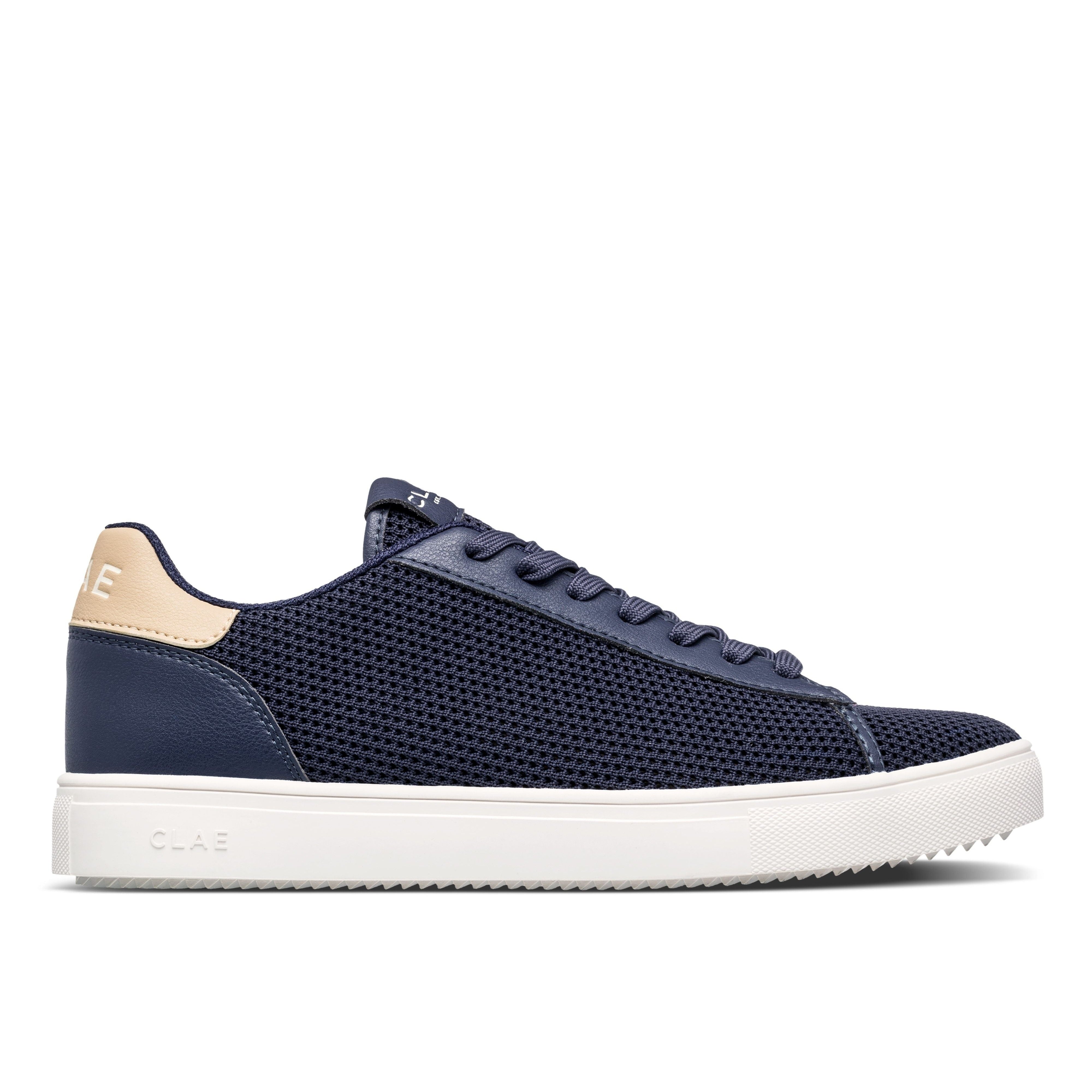
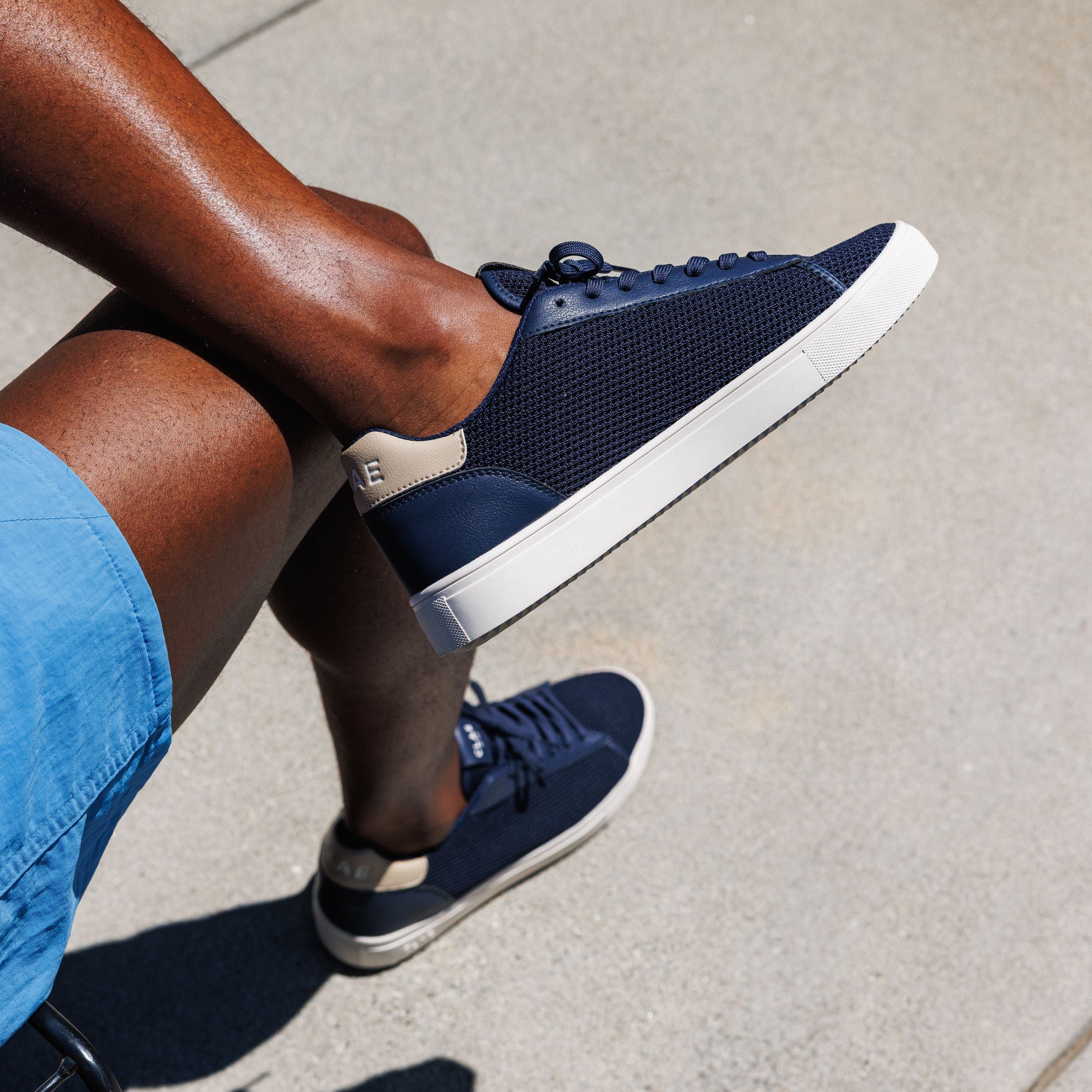
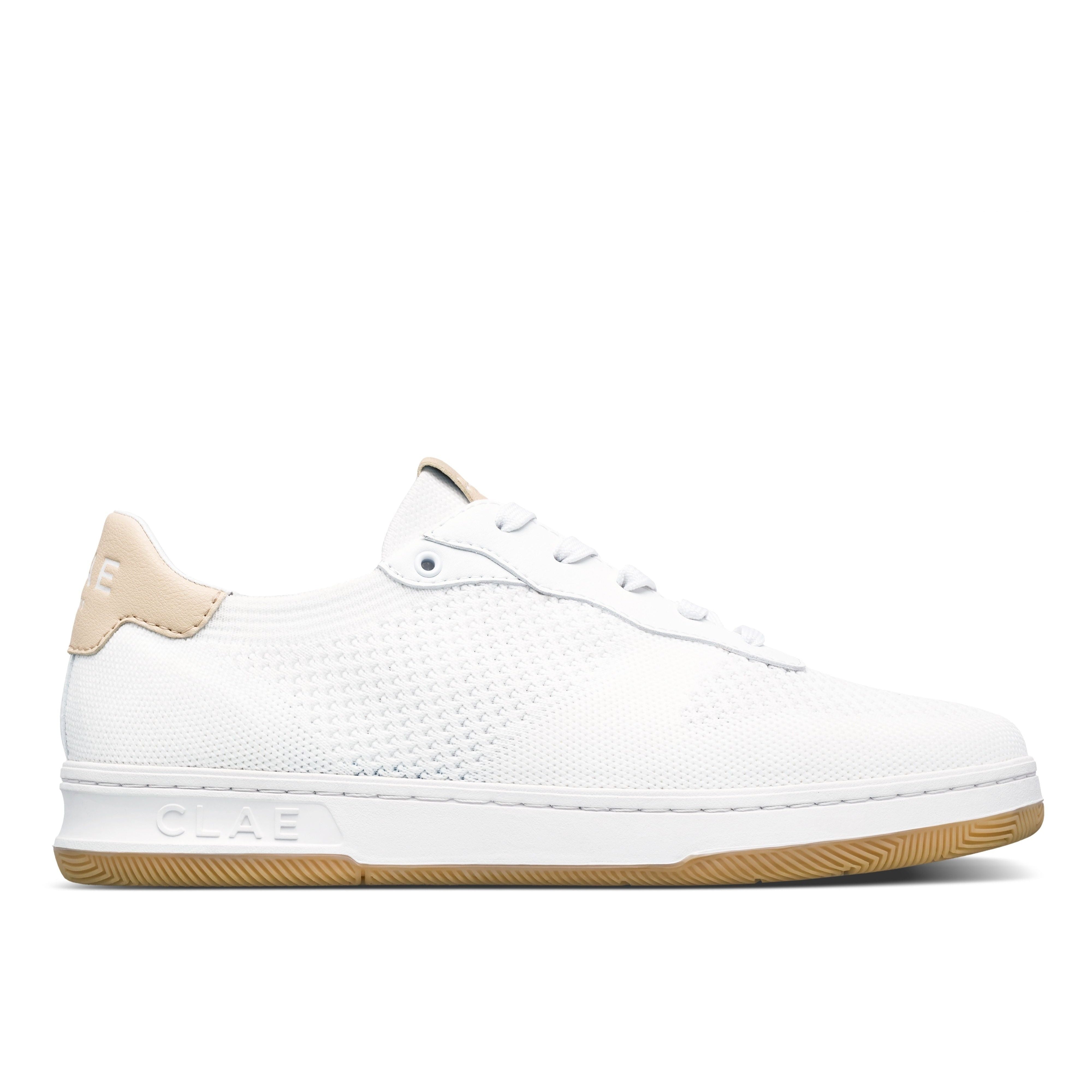
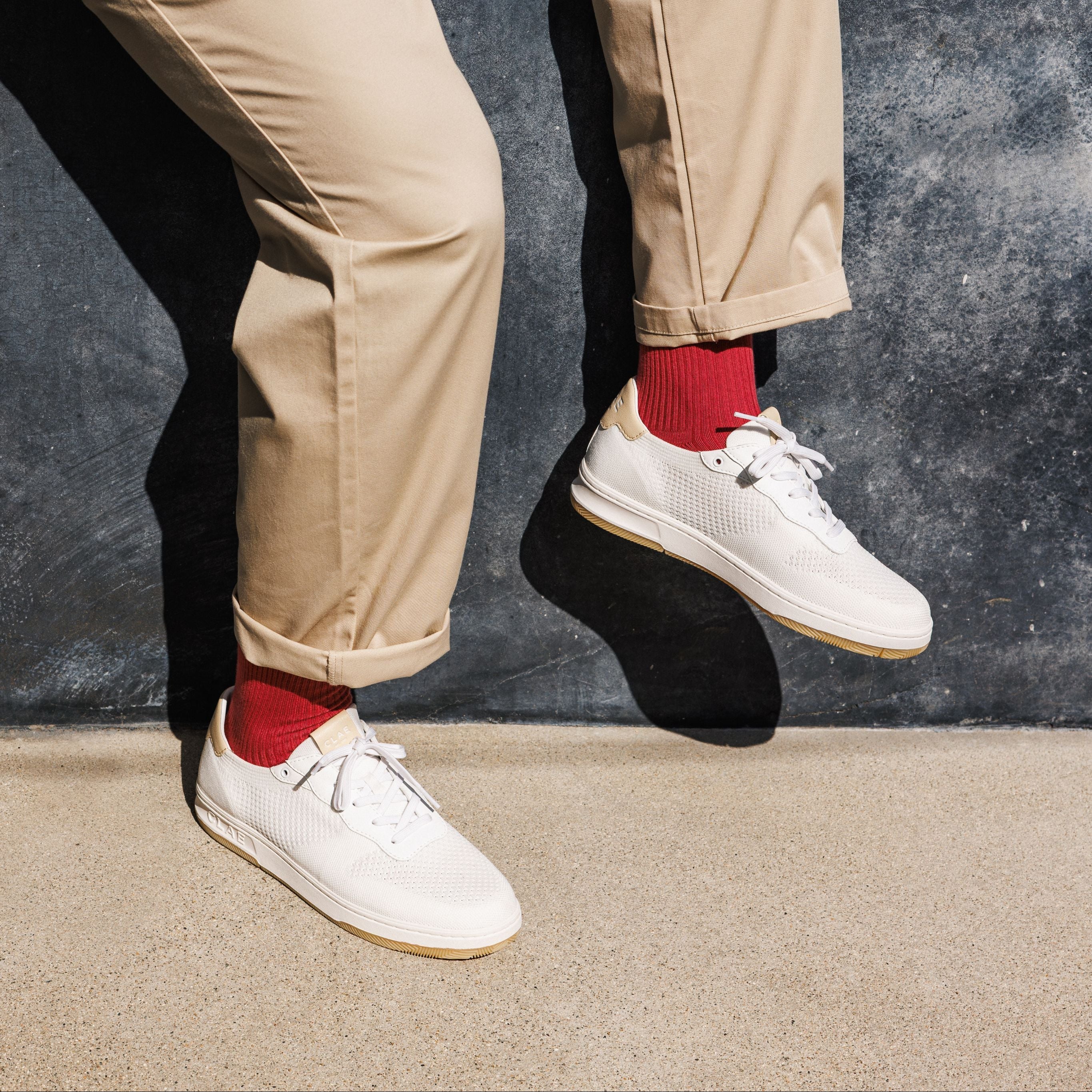
Knit collection

10 YEARS OF IMPACT
SEAQUAL transforms marine plastic into a resource with fishermen, non-governmental organizations, and coastal communities.
2,500+ global brands
The initiative has scaled to over 2,500 licensed brands worldwide, reflecting strong adoption of its circular materials across the textile industry and beyond.
CIRCULAR ECOSYSTEM
SEAQUAL covers collection networks, recycling, and yarn production in Europe, supported by SEAQUAL GIVE BACK and the SEAQUAL FOUNDATION.
We sat down with François Devy, Managing Director at SEAQUAL INITIATIVE, to dive deep into their innovative journey, commitment to traceability, and vision for a future in which marine plastic waste is recognized as a valuable resource.

Can you tell us about the SEAQUAL Initiative and its mission?
The SEAQUAL INITIATIVE is the industrial engine of the ecosystem, created to recover marine plastic and process it into high-quality recycled polymers and yarn, allowing brands to use truly circular materials. This process is unique because it uses less-degraded marine-sourced plastic, maintains full control over the recycling and yarn process, and employs a strong traceability and certification framework. The goal is to prove that marine waste can become a premium material at scale with full traceability.
How does the SEAQUAL Foundation complement the initiative’s work?
The role of SEAQUAL FOUNDATION goes beyond materials, focusing on regenerative ocean projects, such as biodiversity and ecosystem restoration, alongside support for coastal communities and environmental education. While the Initiative drives circularity, the Foundation addresses regeneration and social impact. Together, they form a complete ESG value chain encompassing environmental action (plastic removal and recycling), social engagement, and long-term ecosystem restoration.

How many tons of plastic are you upcycling each year, and where are your collection points located?
SEAQUAL operates collection hubs across the Mediterranean (Spain, Tunisia, Egypt, and Morocco), with partners covering coastal regions in Mexico, Vietnam, China, and Brazil. Plastic is recovered from fishing activities (nets, debris) and coastal clean-ups. Although thousands of tons of plastic have been processed since inception, the key focus is not just on volume, but on traceability, quality of sorting, and the unique ability to recycle the material into high-value outputs for the textile industry.

SEAQUAL yarn is used to craft the upper of our knit shoes, what other types of products are made using your innovative materials?
SEAQUAL yarn is highly versatile and used across a variety of sectors, including footwear uppers, various types of apparel (sportswear, fashion, uniforms), automotive interiors, upholstery, home textiles, accessories, and industrial fabrics like acoustic panels. This broad use demonstrates that marine plastic can be a mainstream industrial material.
Where is the SEAQUAL yarn produced, and is it fully recycled or only partially made from ocean plastic?
SEAQUAL yarn is produced in Europe, notably in Spain, using a blend of recycled materials that includes marine plastic. The amount of marine plastic incorporated is carefully managed to ensure the material maintains performance, durability, scalability, and consistency for demanding applications.


Do you have certifications for your innovative materials?
SEAQUAL materials and processes are compliant with key standards, including GRS (Global Recycled Standard) and OEKO-TEX®, along with Chain-of-Custody frameworks aligned with International Organization for Standardization. The Initiative also aligns with emerging standards like Verra plastics in certain areas. SEAQUAL guarantees that brands receive materials that are ready for audit and compliant with Environmental, Social, and Governance (ESG) standards by supplying traceability documentation and certification for every textile fabric.

How do you ensure that recycled materials are high-quality and safe for products?
Quality assurance is achieved through strict sorting, cleaning, multi-step washing, filtration, controlled recycling into pellets, and adherence to industrial yarn spinning standards. Continuous testing for mechanical properties and durability, along with compliance with textile safety standards, ensures the materials meet conventional polyester performance while delivering verified environmental value.
How can consumers support ocean sustainability in their daily lives, and what excites you most about SEAQUAL’s future?
Consumers can help by choosing products made with verified recycled materials, seeking traceability over vague "eco" claims, and supporting brands that invest in real impact. SEAQUAL’s future vision is focused on the convergence of material circularity in products, impact transparency in data, and regulatory pressure (such as Corporate Sustainability Reporting Directive and Green Claims). We are uniquely positioned at the intersection of "products + proof + impact," which we see as the fully integrated future of our business.
Read more
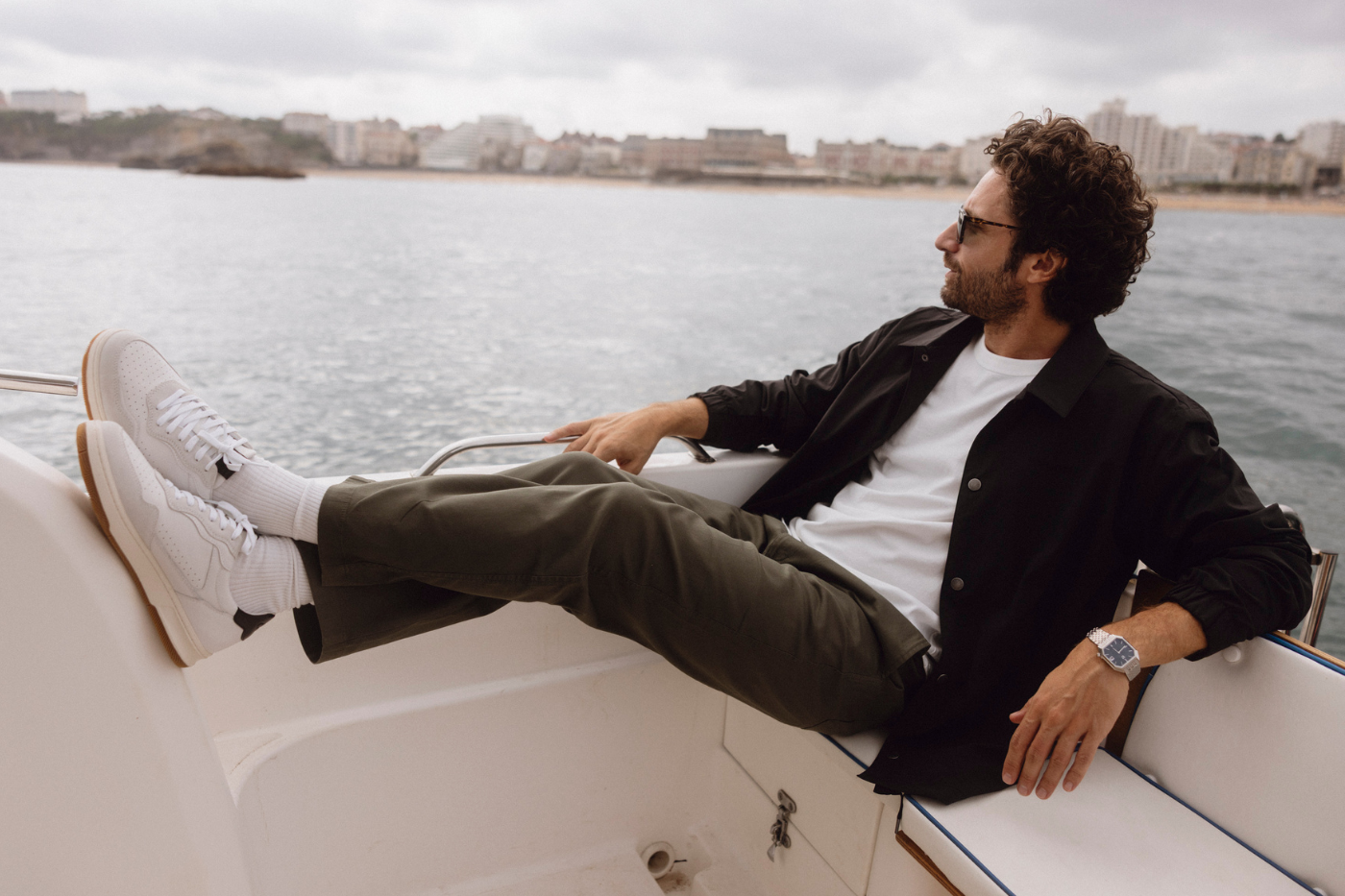
CLAE's Autumn/Winter 2026 collection marks a new chapter in 25 years of craftsmanship. Defined by exclusive silhouettes, a refined palette of seasonal tones, and purpose-driven materials.
Read more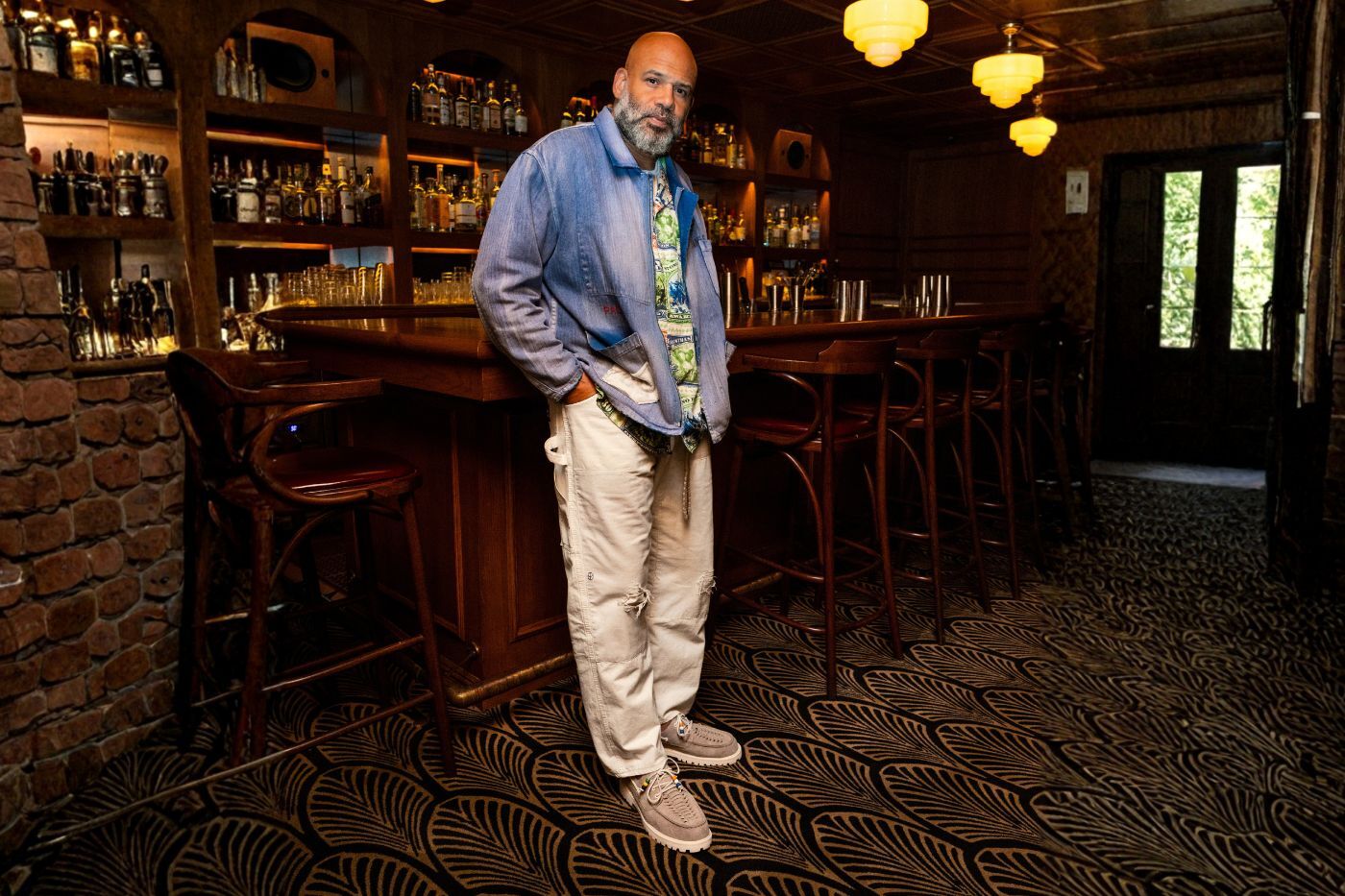
Created to celebrate CLAE's 25th anniversary, the limited-edition Carter Lug brings together CLAE and Union Los Angeles in a collaboration that explores craftsmanship, cultural identity and everyda...
Read more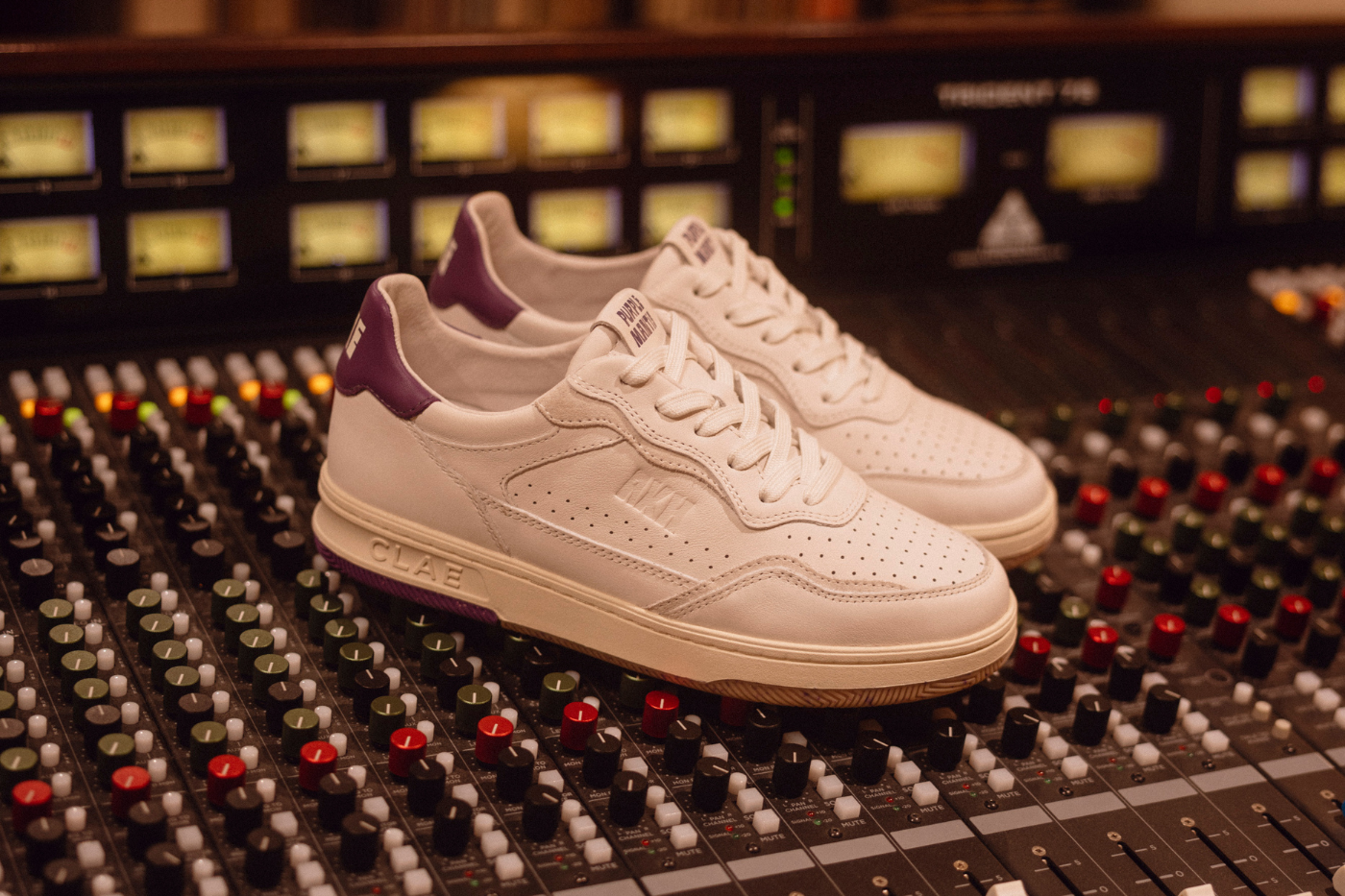
Discover the exclusive Akhenaton x CLAE collaboration, inspired by Purple Mantis. A limited-edition sneaker blending hip-hop culture and minimalist design.
Read more